
Loop, Pause, Recharge: A Friendlier City Park Circuit
Today we dive into Urban Park Loops with Restrooms, Cafes, and Changing Stations, celebrating circuits that keep people moving by making every pause easy, safe, and welcoming. Expect practical ideas, true-to-life stories, and field-tested details that turn a simple walk into a reliably delightful routine for families, commuters, runners, and curious wanderers.
The 10-Minute Interval Principle
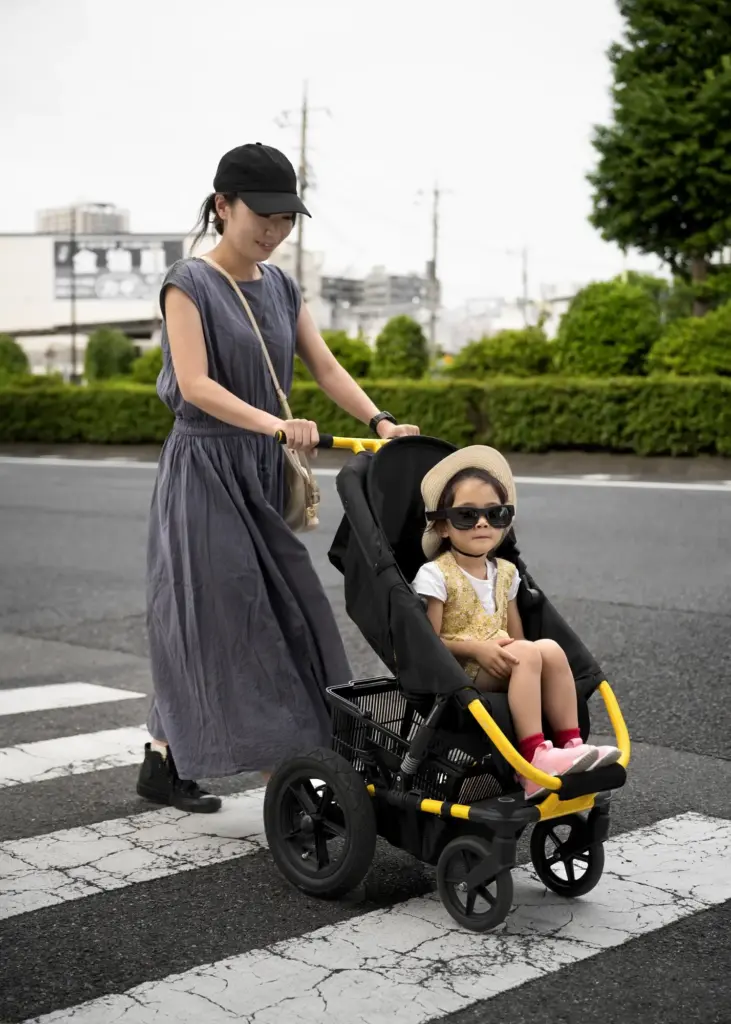
Placing a restroom, cafe window, or changing station roughly every ten minutes of easy walking stabilizes attendance across age groups and abilities. Parents gain confidence, older adults feel supported, and runners optimize intervals. Share your ideal spacing or timing in the comments so park managers can benchmark realistic comfort targets and refine loop upgrades season by season.
Edges, Loops, and Safe Crossings
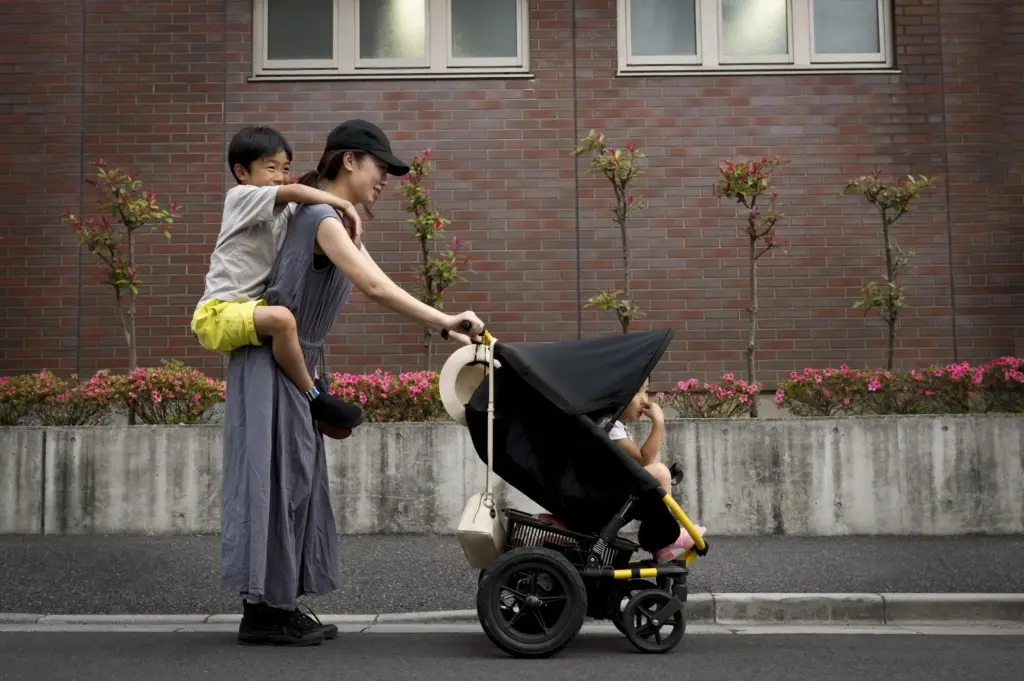
Continuous loops perform best when edges feel cared for and crossings feel predictable. Curb cuts, high-visibility stripes, and refuge islands prevent momentum-killing hesitations. Aligning amenities near crossings reduces detours while keeping sightlines open for strollers, wheelchairs, and bikes. Tell us where your city succeeds—or misses—so we can highlight replicable street-interface solutions.
Amenities That Actually Serve People
Restrooms You’re Not Afraid To Use
Touchless fixtures, good ventilation, clear maintenance logs, and gender-inclusive stalls reduce friction and waiting. Stocked paper, period products, and diaper bins close obvious equity gaps. Put entrances near active paths for passive safety, add a shelf for bags, and post cleaning schedules. Comment if your park posts them digitally for real-time reassurance and transparency.
Cafes as Social Anchors
Compact kiosks with outdoor counters extend hours with minimal footprint. Pair local bakers or roasters with shaded seating and stroller parking to turn quick breaks into chances to meet neighbors. Queue lines that avoid blocking the path matter. If your park pilots pre-order pickups, tell us how it changes flow and dwell time across peak periods.
Family Rooms and Changing Stations
Wide doors, turning circles, and sturdy, easy-to-sanitize tables make caregiving smoother. Warm lighting soothes, mirrors help with quick outfit checks, and hooks keep bags off floors. Add a small seat for siblings, fragrance-free wipes dispensers, and discreet trash. Share which hours see the heaviest use so staff can time cleanings without disrupting family routines.
Inclusive Access, Safety, and Dignity
Accessibility is more than compliance; it is a promise that movement will feel intuitive and dignified. Gentle slopes, continuous handrails, readable signage, and consistent surfaces are essential. The result is a loop that welcomes mobility devices, tiny scooters, canes, and tired legs while keeping everyone oriented and relaxed during each pause and restart.
Wayfinding and Delight Along the Route
A memorable loop balances clarity and charm. Directional cues should quietly guide, while moments of delight—murals, planting beds, or playful milestones—reward progress. People return when the path teaches them something new each lap, making the journey as satisfying as the destination or the latte waiting near the finish.
Operations, Sustainability, and Cleanliness
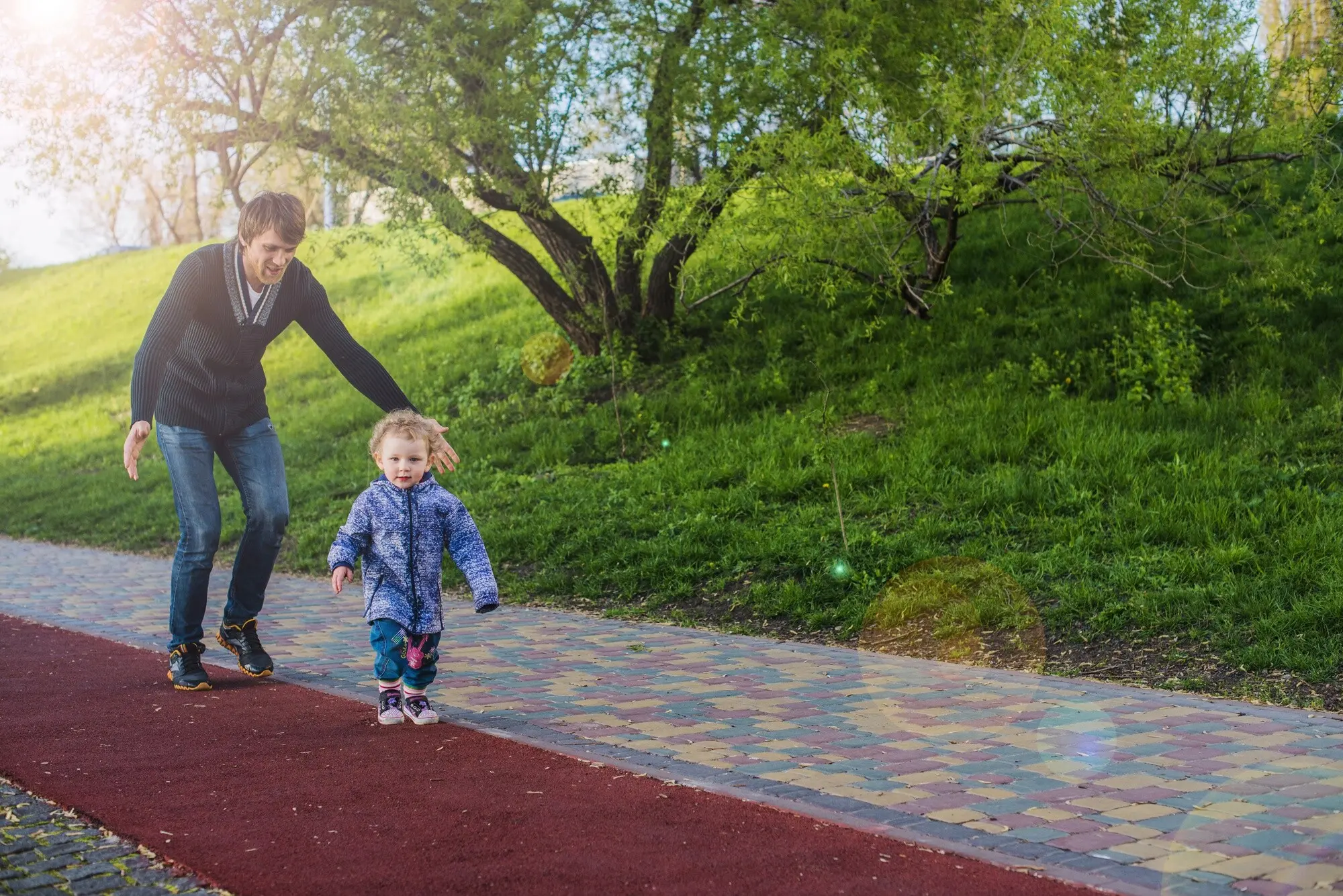
Reliability is the quiet engine of great loops. Refill taps must work, restrooms must smell fresh, bins cannot overflow, and cafe waste sorting should be clear. When systems hum, people trust the circuit with strollers, dogs, and schedules, extending visits and recommending the route to friends without a second thought.
Water, Waste, and Refill Routines
Bottle-fill stations cut single-use plastic while encouraging hydration between amenities. Pair them with clearly labeled recycling and organics bins to reduce contamination. Post maintenance checks on small placards for accountability. If your refill tap freezes in winter, tell us how staff mitigates downtime, and whether temporary warmers or seasonal signage kept visitors informed and safe.
Cleaning Schedules You Can Trust
Predictable, posted cleaning windows help visitors plan bathroom breaks and reduce queues. Digital logs accessed via QR reinforce consistency. Friendly attendants become informal ambassadors, noting repairs early. Share whether your loop publishes metrics—like average response times or weekly restroom audits—so we can highlight transparent practices that build confidence and raise citywide expectations.
Community, Events, and Measurable Impact
Loops with restrooms, cafes, and changing stations become dependable stages for daily rituals and community life. Morning walking clubs, stroller meetups, and evening jogs layer together, supporting local vendors and safer parks. Tracking turnout and dwell time guides smarter staffing, better programming, and more funding for what people actually use and love.

All Rights Reserved.